Can a Hoarder Live Alone Safely? What Families Should Know
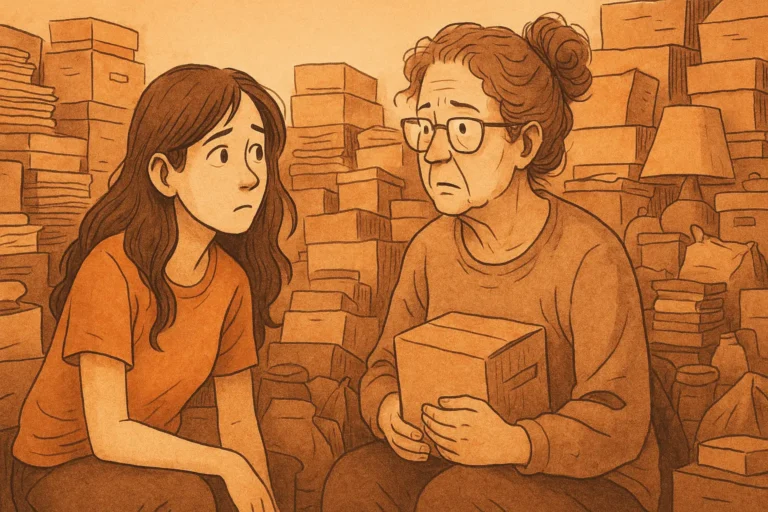
Living alone can offer independence, dignity, and comfort—especially for adults who value their personal space. However, when someone has hoarding disorder, that independence can come with serious risks. Families often struggle with a difficult question: Is it still safe for them to live alone?
The answer is rarely simple. Hoarding exists on a spectrum, and safety depends on many factors, including the severity of clutter, health conditions, and the person’s ability to manage daily life. While some individuals can live alone without immediate danger, others may face life-threatening conditions inside their homes.
In this guide, we’ll walk through the real risks, warning signs, and practical steps families can take. Just as importantly, we’ll discuss how to approach the situation in a way that protects both safety and the relationship.
Real Risks of Living Alone With Hoarding Disorder
At first glance, a cluttered home might look like a lifestyle choice. However, hoarding disorder creates layered risks that go far beyond mess or disorganization.
One of the most serious concerns is fire hazard. Excessive clutter can block exits, fuel fires, and make it nearly impossible for emergency responders to enter. Even something small—like a tipped candle or faulty wire—can escalate quickly in a crowded environment.
Additionally, there are physical health risks. Narrow pathways increase the likelihood of falls, especially for older adults. Stacks of items can collapse without warning. Dust, mold, and pests often build up in hoarded spaces, which can trigger respiratory issues or infections over time.
Another overlooked risk is social isolation. When someone lives alone with hoarding disorder, they often withdraw from friends and family due to embarrassment. Over time, this isolation can worsen mental health and reduce the chances that anyone notices when something is wrong.
Finally, there’s the issue of basic living conditions. Kitchens and bathrooms may become unusable, which means the person may not be eating properly, maintaining hygiene, or managing medications. These risks compound quietly until they become emergencies.
Signs It May Still Be Safe for Now
It’s important to recognize that not every person with hoarding disorder is in immediate danger. In some cases, living alone can still be manageable—at least temporarily.
For example, if clear pathways exist throughout the home, the person can move safely between rooms. Functioning utilities like water, electricity, and heating are also key indicators of stability. If the kitchen and bathroom remain usable, that’s another positive sign.
Moreover, the individual’s physical and mental health plays a role. Someone who can manage daily tasks, keep up with medications, and respond to emergencies may still be able to live independently.
Another encouraging sign is openness to help. Even small willingness—such as allowing someone to visit or accepting minor cleanup—can make a big difference. It shows that the person is not completely closed off and may be able to maintain safer conditions with support.
However, these signs don’t mean the situation is stable forever. Hoarding often worsens over time, so ongoing awareness is essential.
Red Flags That Signal It’s No Longer Safe
There comes a point when living alone is no longer safe, and recognizing that moment is critical.
Blocked exits are one of the clearest warning signs. If doors or windows can’t be opened easily, the risk during emergencies becomes severe. Similarly, if pathways are so narrow that walking is difficult, falls become almost inevitable.
Another major red flag is the loss of essential functions. If the person can no longer cook, bathe, or use the bathroom properly, their basic health is at risk. This often leads to malnutrition, infections, or worsening medical conditions.
Frequent accidents are also a strong indicator. Falls, minor fires, or repeated injuries suggest that the environment has become hazardous.
In addition, watch for signs of cognitive decline or confusion. If the person forgets to turn off appliances, struggles to recognize danger, or becomes disoriented, living alone can quickly become unsafe.
Finally, extreme isolation is a serious concern. If no one can visit the home, and the person avoids all outside contact, it becomes harder to monitor their well-being. In such cases, problems can go unnoticed until they reach a crisis point.
How to Assess the Situation Without Starting a Fight
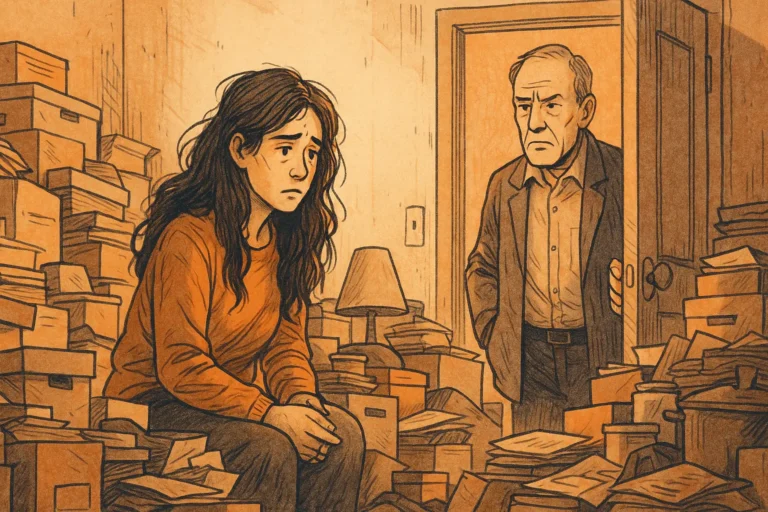
Bringing up safety concerns can easily lead to conflict, especially if the person feels judged or threatened. That’s why the way you approach the situation matters just as much as what you say.
Start by focusing on safety, not the clutter itself. Instead of saying, “Your house is a mess,” you might say, “I’m worried about how easy it would be to get out in an emergency.” This shifts the conversation away from blame and toward shared concern.
It also helps to ask questions rather than make statements. For example, “How do you feel about the space around your stove?” invites reflection without confrontation.
Timing matters too. Choose a calm moment rather than bringing it up during an argument or stressful situation. When emotions are already high, even well-meaning comments can feel like attacks.
Most importantly, listen. People with hoarding disorder often have deep emotional attachments to their belongings. Acknowledging their feelings—even if you don’t agree—can reduce defensiveness and open the door to cooperation.
What Families Can Actually Do to Help
Families often feel powerless, but there are practical ways to make a difference.
First, focus on small, manageable changes. Clearing one pathway or making one room functional can significantly improve safety. Trying to clean everything at once usually leads to resistance and burnout.
Next, offer consistent support rather than one-time interventions. Regular check-ins, whether in person or by phone, can help monitor changes and provide encouragement.
You can also help with specific tasks. For example, assisting with trash removal, organizing medications, or arranging repairs can address immediate risks without overwhelming the person.
Education is another powerful tool. Learning about hoarding disorder helps families respond with empathy instead of frustration. It also makes it easier to recognize when professional help is needed.
At the same time, it’s important to set boundaries. Supporting someone doesn’t mean accepting unsafe conditions indefinitely. Clear, respectful limits protect both the individual and the family.
When to Involve Professionals or Authorities
There are situations where family efforts are not enough, and outside help becomes necessary.
Mental health professionals, especially those experienced in hoarding disorder, can provide structured therapy and guidance. Cognitive behavioral therapy (CBT) is often used to address the underlying thoughts and behaviors associated with hoarding.
Professional organizers who specialize in hoarding can also help create safer environments without causing unnecessary distress. Their approach is usually slower and more collaborative than standard cleaning services.
In more serious cases, local authorities may need to get involved. Fire departments, health departments, or adult protective services can assess whether the living conditions pose a danger.
While this step can feel extreme, it may be necessary when there is immediate risk to life or property. The goal is not punishment but safety.
Legal Considerations Families Should Know
Legal issues can arise when hoarding creates unsafe living conditions, especially if the person refuses help.
For example, landlords may issue eviction notices if a property becomes hazardous. In some cases, municipalities can declare a home uninhabitable, requiring cleanup or relocation.
Families should also be aware of guardianship or conservatorship options. These legal arrangements allow someone to make decisions on behalf of an individual who cannot manage their own affairs safely. However, this is a serious step and usually requires court involvement.
Additionally, liability can become an issue. If a fire or accident affects neighbors, there may be legal consequences. Understanding these risks helps families make informed decisions before a crisis occurs.
Consulting with a legal professional can provide clarity on local laws and available options.
How to Have the Conversation Without Damaging the Relationship
This is often the hardest part. Families want to help, but they also want to preserve trust.
Start with empathy. Acknowledge that change is difficult and that you understand the home is important to them. This reduces the feeling of being attacked.
Use “I” statements rather than “you” statements. Saying “I’m worried about your safety” feels very different from “You’re living dangerously.”
Avoid ultimatums unless absolutely necessary. Threats can push the person further into defensiveness and make cooperation less likely.
It also helps to involve the person in decision-making. Ask what changes feel manageable and work together to create a plan. Even small agreements can build momentum over time.
Above all, be patient. Progress is often slow, and setbacks are common. Maintaining the relationship increases the chances of long-term improvement.
Resources and Next Steps (Books to Consider)
For families looking to better understand and support a loved one, books can be an excellent starting point.
Look for titles that focus on both the emotional and practical sides of hoarding. Books that include real-life examples, step-by-step strategies, and communication tips tend to be the most helpful.
When choosing a resource, consider whether it’s written for individuals with hoarding disorder, families, or both. Some books are specifically designed to guide loved ones through the process of offering support without causing harm.
In addition, workbooks can be especially useful. They often include exercises that help break down overwhelming tasks into manageable steps.
Exploring these resources together—if the person is open to it—can create a shared understanding and reduce tension.
Conclusion
So, can a hoarder live alone safely? The honest answer is: sometimes—but not always, and often not forever.
Safety depends on the severity of the hoarding, the person’s health, and the condition of the home. While some individuals can manage for a time, the risks tend to increase as the situation progresses.
For families, the goal is not just to clean a house but to protect a person. That means recognizing warning signs, approaching the situation with empathy, and taking action when necessary.
Although the process can be challenging, it’s possible to balance safety with respect. With the right approach, families can support their loved ones while preserving trust—and that balance makes all the difference.